Introduction
Choosing the right type of steel strip for industrial applications is critical to product performance, manufacturing cost, and reliability. Among the many steel strip options available, high carbon steel 和 合金钢条 are two of the most widely used categories across sectors like automotive, power tools, construction hardware, and band saw blades.
But what exactly is the difference between high carbon steel and alloy steel strip? And how do you choose the right one for your project?
In this blog, we compare 机械性能, chemical composition, heat treatment behavior, 和 application suitability of high carbon steel and alloy steel strips to help you make an informed decision.
1. What is High Carbon Steel Strip?
High carbon steel typically contains carbon content between 0.60% 和 1.00%. It is known for its high hardness, strength, and wear resistance, but also has lower ductility and reduced weldability.
鉁?主要特点:
- High hardness after heat treatment
- Excellent wear resistance
- Cost-effective
- Suitable for cutting, 冲压, and spring applications
? Common Grades:
- C67S, C75, SK5, SAE 1075, 1095
? 典型应用:
- Spring clips
- Hand tools
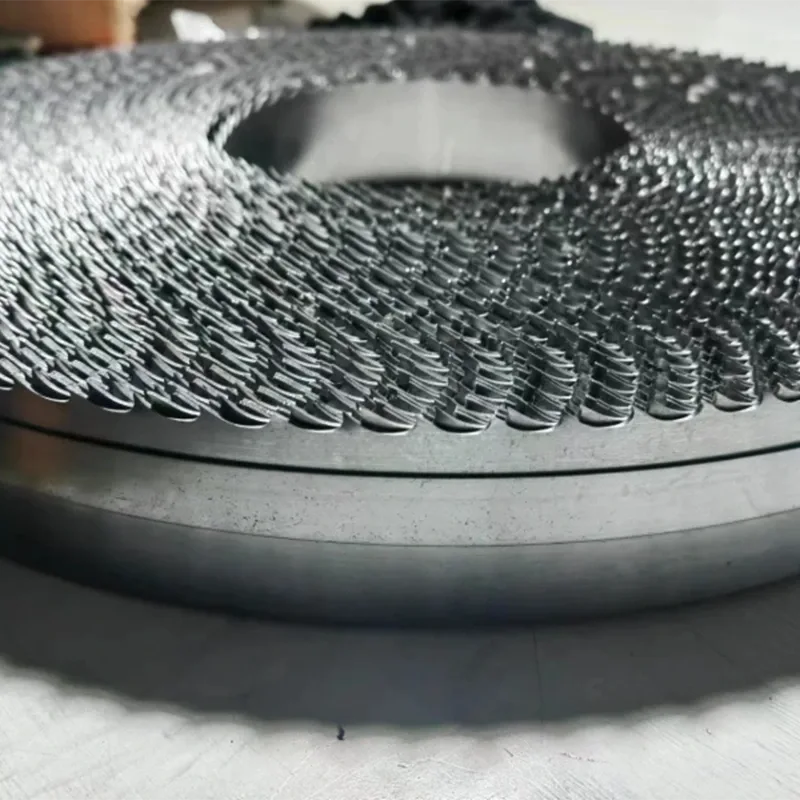
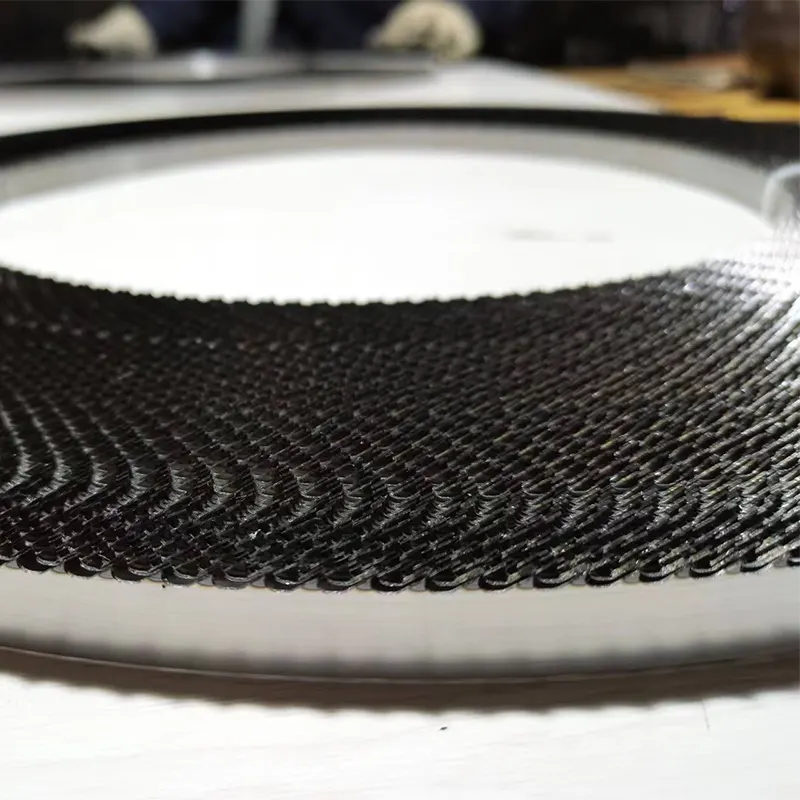
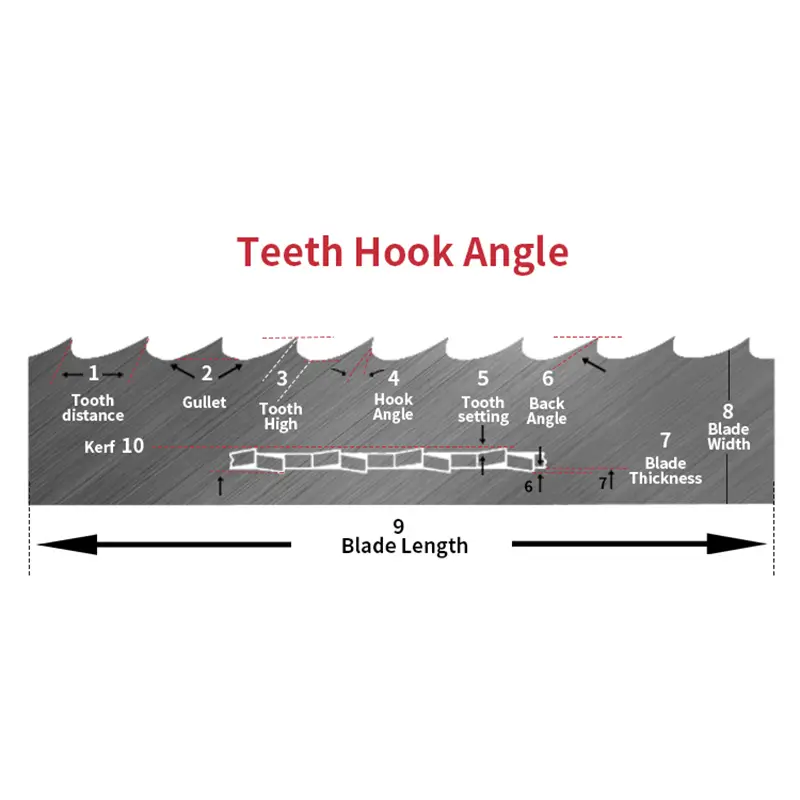
- 带锯条
- Measuring tapes
- Garden tools
2. What is Alloy Steel Strip?
Alloy steel strip is made by adding alloying elements (such as chromium, vanadium, 钼, or silicon) to improve strength, 韧性, 抗疲劳性, and hardenability.
鉁?主要特点:
- Superior mechanical performance
- Better fatigue resistance than plain carbon steel
- Maintains toughness at elevated temperatures
- Ideal for dynamic and high-impact applications
? Common Grades:
- 50CRV4 (从 1.8159)
- 51CRV4, 60Si2mn, CrV, CrMo
? 典型应用:
- Heavy-duty automotive springs
- Clutch discs
- Valve components
- Shock-absorbing parts
- Industrial tools
3. Key Differences Between High Carbon Steel and Alloy Steel Strip
| 财产 | 高碳钢条 | 合金钢条 |
|---|---|---|
| 碳含量 | 0.60鈥?.00% | 0.30鈥?.60% (with alloying elements) |
| 硬度 | High (after heat treatment) | Moderate to high (more controllable) |
| Toughness | Moderate | High (especially in dynamic load use) |
| Wear Resistance | Excellent | Excellent (varies by alloy) |
| Formability | Lower | Higher (after spheroidizing annealing) |
| Heat Resistance | Limited | Better for high-temp applications |
| Cost | Lower | Higher (due to alloying and processing) |
4. Heat Treatment Comparison
Both types of steel require 热处理 to unlock their mechanical properties. 然而, alloy steels generally offer better heat treatability, allowing deeper hardening and better performance under fatigue.
- High Carbon Steel:
Quenching and tempering yield high hardness but may lead to brittleness if not controlled. - Alloy Steel:
Supports more flexible hardening profiles and better dimensional stability after treatment.
5. Which Steel Strip Should You Choose?
鉁?选择 高碳钢条 if:
- You need high hardness and edge retention (例如, blades, 斯普林斯)
- Cost efficiency is a major factor
- Applications are not exposed to dynamic or high thermal stresses
鉁?选择 合金钢条 if:
- You require 高疲劳强度, impact resistance, or elevated temperature performance
- Your component will undergo heavy forming or complex machining
- Longevity and durability under load are critical (例如, in automotive or power tools)
6. Cgood Steel: Your Trusted Steel Strip Manufacturer
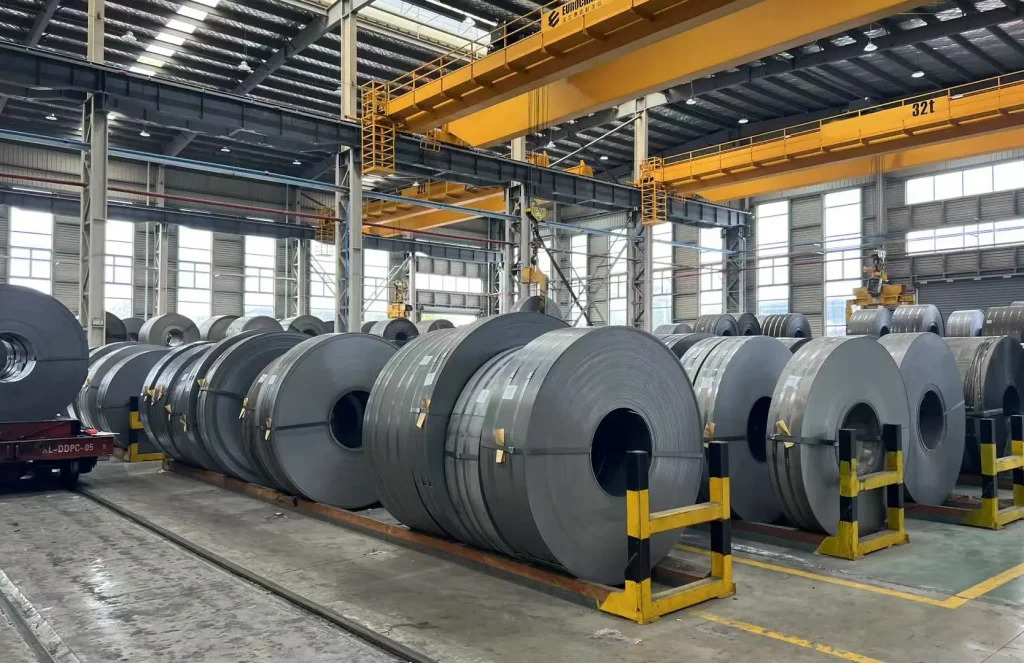
At Cgood Steel, we offer a wide range of cold rolled and heat-treated high carbon and alloy steel strips, with precise dimensions, tailored hardness (HRC 35鈥?5), and surface finishes.
Whether you’re building band saw blades, automotive springs, 或者 工业零部件, we help you choose the right material for optimal performance and cost-effectiveness.
Conclusion
Understanding the difference between high carbon steel strip 和 合金钢条 is key to successful material selection. Both materials have unique strengths, and the best choice depends on your application鈥檚 mechanical demands, forming requirements, and budget.
Need help selecting the right grade?
Contact us for a free consultation or explore our product catalog to find the perfect steel strip solution.